

-
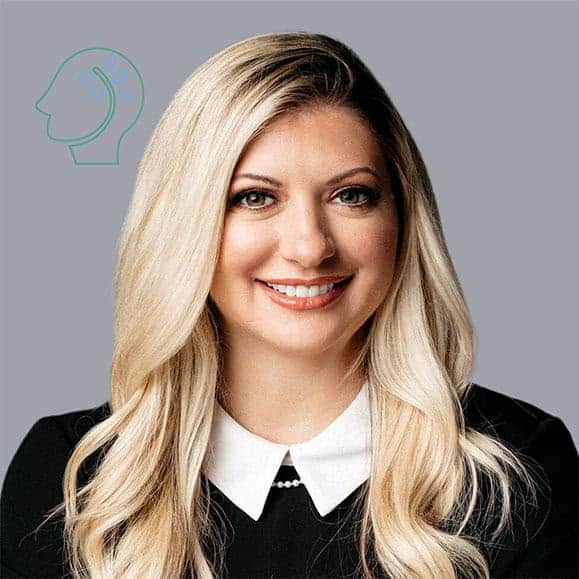 Neuropsychotherapy and Trauma InterventionsOriginally trained as a neuroscientist, Dr. Jennifer Sweeton is a Stanford-educated clinical and forensic psychologist specializing in trauma treatment and the neuroscience of mental health.
 -
 PTSD Relief TherapyInternationally-renowned PTSD researcher and clinician, founder of the Boston Trauma Centre and professor of Psychiatry at Boston University Medical School.
 -
 CBT for DepressionDr. Nina Josefowitz has over thirty years’ experience as a CBT therapist and teacher and is the author of CBT Made Simple.
 -
 Embodied DBTEmbodied DBT Specialist Dr Eboni Webb integrates DBT and Sensorimotor Psychotherapy strategies to address traumatised clients
 -
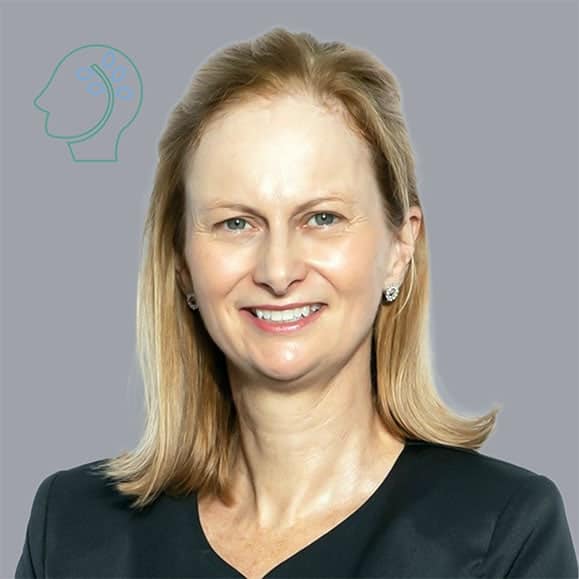 Emotional Freedom TechniquesDr Peta Stapleton is a clinical psychologist and leading researcher renowned for her evidence-based work on Emotional Freedom Techniques (EFT).
 -
 Complex Borderline Personality DisorderDr Daniel Fox is a renowned psychologist who specialises in treatment of personality disorders
 -
 Depression and Bipolar DisorderDr Chris Aiken is a renowned psychiatrist, professor and author who specialises in the treatment of Mood Disorders
 -
 Psychopathy TherapyForensic psychologist Dr Tarra Bates-Duford provides a comprehensive study of psychopathy
 -
CBT TrainingDr. Nina Josefowitz has over thirty years’ experience as a CBT therapist and teacher and is the author of CBT Made Simple.
-
 DBT TrainingDBT Specialist Dr Eboni Webb offers DBT Tools and strategies to address complex clients
 -
 Narcissist TherapyDaniel J. Fox, Ph.D., is a licensed psychologist in Texas, international speaker, and multiple-award winning author. He has been specializing in the treatment and assessment of individuals with personality disorders for over 20 years.
 -
 EMDR TrainingClinical psychologist, international speaker & best-selling author introduces EMDR therapy skills for working with PTSD and trauma.
 -
 Sibling Issues in TherapyProfessor Avidan Milevsky incorporates the latest research and clinical work in family dynamics to examine multiple angles of integrating sibling issues in therapy
 -
 NLP TrainingInternationally acclaimed mind coach, hypnotherapist and bestselling author whose work centres on the principles of neuro linguistic programming (NLP)
 -
 EMDR Training 2Clinical psychologist, international speaker & best-selling author introduces EMDR therapy skills for working with PTSD and trauma.
 -
 Anxiety and Worry TherapyDr Jennifer Abel provides proven therapeutic techniques to help your clients work through the spiral of anxiety and successfully face their fears
 -
 Divided Brain ClinicPsychiatrist Iain McGilchrist describes the real differences between the left and right halves of the human brain. It's not simply "emotion on the right, reason on the left," but something far more complex and interesting.
 -
 Sensorimotor PsychotherapyInternationally-renowned psychotherapist, 40 years’ experience integrating the mind and body, offers relief and a new way of living in our body.
 -
 Hypnosis For Pain Relief TrainingWorld-renowned clinical psychologist and professor with over 30 years' experience using hypnosis for pain control offers a step-by-step guide to using hypnosis to enhance your clinical practice.
 -
 Advanced Trauma Therapy TrainingWorld-renowned trauma clinical psychologist and clinician with over 30 years’ experience helping survivors to accept and love their wounded selves.
 -
 Childhood Sexual AbuseForensic Psychologist Dr Tarra Bates-Duford offers expert therapy approaches for treating survivors of childhood sexual abuse (CSA)
 -
 Anxiety Relief TreatmentClinical psychologist, researcher and expert in behavioural treatment for phobias, provides dynamic treatment and relief from anxiety.
 -
 ACT Therapy TrainingLearn the advantages and benefits of implementing Acceptance Commitment Therapy (ACT) into your clinical practice with Dr John Boorman, UK clinical psychologist and ACT Therapy Specialist.
 -
 Divorcing: Parents & KidsInternationally-acclaimed clinical psychologist, professor at Harvard University, McLean Hospital and clinician with over 30 years’ experience working with high-conflict couples.
 -
 Brain SkoolBrain Skool is a collection of sessions from internationally-renowned specialists investigating the function and processing of their favourite brain regions.
 -
 Depression Relief TherapyDoctor of counselling psychology offers understanding and relief from depression with a variety of skills and a wealth of treatment experience.
 -
Conflict in RelationshipsInternationally-acclaimed clinical psychologist, professor at Harvard University, McLean Hospital and clinician with over 30 years’ experience working with high-conflict couples.
-
 Emotional RegulationClinical psychologist with over 20 years’ experience helping people manage out of control emotions, irrationality, feelings of hopelessness and distress.
In this insightful session, Dr. Lauren Axelsen explores the transformative practice of self-compassion. She unpacks what self-compassion is—and isn’t—while highlighting how depression can erode self-esteem and self-kindness. Participants will learn to recognize negative self-talk, shift the tone of their inner dialogue, and engage in guided exercises that cultivate self-care and understanding. By practicing these techniques, you’ll develop tools to comfort yourself during challenging emotional states, reduce distress, and nurture resilience. This session empowers you to respond to depression with gentleness rather than judgment, offering practical strategies to support and sustain your mental and emotional well-being.
ALL SESSIONS IN THIS MODULE: Depression Relief Therapy
01
Understanding Your Depression
Understand depression with Dr. Lauren Axelsen as she outlines its varied symptoms—physical, behavioral, cognitive, and emotional. Learn to identify depression, explore how CBT can treat it, and discover the three levels of thought that help shift negative beliefs, reduce emotional distress, and approach life and challenges with clarity.
02
Monitoring Your Depression
Learn to monitor your depression effectively with Dr. Lauren Axelsen. Move beyond arbitrary 1–10 mood ratings and create meaningful, experience-based mood trackers. This session provides practical strategies to track your week, observe patterns, and compare progress, empowering you to gain insight, measure improvement, and take informed steps toward recovery.
03
Goal Setting For Your Recovery
Confront depression with clarity and purpose in this session with Dr. Lauren Axelsen. Learn to identify key problems, set achievable behavioral goals using CBT, and prioritize effectively. Develop a personalized problem list, monitor progress, and gain actionable strategies to manage challenges, track improvements, and regain control over your mental well-being.
04
Reactivating Your Life
Boost your mood with Dr. Lauren Axelsen through behavioral activation. Learn how to schedule achievable, meaningful activities into your week, even when depression makes everything feel like a struggle. Discover three types of activities that lift mood, break the cycle of withdrawal, and help you regain enjoyment and purpose.
05
Healthy Sleep Routines
Understand and manage sleep challenges with Dr. Lauren Axelsen. Explore insomnia and hypersomnia, learn why healthy sleep routines are essential, and discover practical techniques to recharge your body clock. This session also covers ways to boost daytime serotonin, helping you sleep better, restore energy, and support overall mental well-being.
06
Capturing Your Automatic Thoughts
Identify and manage negative thoughts with Dr. Lauren Axelsen. Learn to capture automatic thoughts, recognize them as depressive symptoms, and evaluate them objectively. Using tools like thought logs, the ABC model, and depressive thought categories, this session empowers you to understand your mind, reduce distress, and respond to thoughts with clarity.
07
Challenging Your Automatic Thoughts
Learn to challenge your automatic thoughts with Dr. Lauren Axelsen. Discover how to put distressing thoughts “on trial,” develop evidence-based alternative perspectives, and reduce self-critical thinking. This session equips you with practical strategies to think more clearly, objectively, and rationally, helping to lower emotional distress and foster mental clarity.
08
Grief and Guilt
Explore how grief and guilt can trigger depression with Dr. Lauren Axelsen. Learn to distinguish self-blame from depressive thinking and use techniques like responsibility reattribution to shift unhelpful thoughts. Gain practical strategies to capture automatic thoughts, manage retrospect bias, and navigate grief and guilt in a healthy, constructive way.
09
Unhelpful Predictions
Dive deeper into your thinking patterns with Dr. Lauren Axelsen. This session explores the assumptions and rules that shape behavior and maintain depression. Learn to identify, evaluate, and challenge intermediate-level thoughts, creating balanced perspectives and long-lasting change for emotional well-being and resilience.
010
Perpetuating Behaviour
Uncover the hidden behaviours that keep depression and anxiety alive with Dr. Lauren Axelsen. Learn to identify perpetuating and safety behaviours that provide short-term protection but prolong distress. Gain practical strategies to confront discomfort, challenge unhelpful beliefs, and break cycles that hold you back from emotional freedom and recovery.
011
Behavioural Experiment
In this session, Dr Lauren Axelsen shows us how to challenge our stubborn assumptions and rules by using a behavioural experiment. She walks us through a step-by-step process to design a good experiment to test our beliefs that we are having difficulty shifting.
012
Identifying Your Core Beliefs
Explore the foundation of depression with Dr. Lauren Axelsen as she examines core beliefs. Learn to identify your own, understand how negative beliefs take hold, and connect previous skills—capturing automatic thoughts and behavioral experiments—to prepare for confronting and reshaping these beliefs for lasting mental health and resilience.
013
Challenging Your Core Beliefs
Learn to confront and transform negative core beliefs with Dr. Lauren Axelsen. This session offers practical techniques to examine beliefs objectively, question their validity, and nurture positive core beliefs. Build self-worth, challenge depression, and equip yourself with the tools to rise stronger, more resilient, and emotionally empowered.
014
Positive Data Logs
Celebrate your progress and strengthen your new core beliefs with Dr. Lauren Axelsen. Learn how to create positive data logs, collect meaningful evidence, and align with your values. This session equips you with practical tools to reinforce healthy beliefs and live a more fulfilling, purposeful, and resilient life.
015
Emotional Tolerance
Emotions are natural—and manageable. Join Dr. Lauren Axelsen as she explains primary and secondary emotions, emotional regulators, and how they shape our experiences. Learn practical strategies, including a short guided meditation, to ease anxiety, tolerate distressing emotions, and gain control over emotional arousal, empowering you to respond rather than react.
016
Self-Compassion « you are here
Discover the power of self-compassion with Dr. Lauren Axelsen. Learn what self-compassion truly is, how it differs from self-criticism, and why it matters for depression and low self-esteem. Gain practical skills to soothe and support yourself, reduce emotional distress, and cultivate a kinder, more nurturing inner voice.
017
Suicide Safety Planning
During moments of crisis, clarity and safety matter. Dr Lauren Axelsen guides participants in creating a compassionate, practical safety plan, explaining suicidal thoughts as symptoms of depression. Learn to distinguish passive and active thoughts, make protective commitments, and remember that crises—and these thoughts—do pass with reassurance, hope, structure, support, care.
018
Relapse Prevention
Celebrate your progress and safeguard your well-being! Join Dr. Lauren Axelsen as she guides you through creating a personalized relapse prevention plan. Learn practical strategies, skills, and techniques to recognize early signs and stay resilient, ensuring you maintain your mental health and thrive even after depression.
Join Our Mailing List
BRILLIANT MENTAL HEALTH
ONLINE THERAPIST RESOURCES
wisemind.com offers therapist resources for mental health professionals. An extensive content library of psychology tools, including video lessons, demonstrations presented by world-class experts, therapy worksheets, workbooks, forms, quizzes and training certificates.
US$ 8.25 /month (billed annually)
