

-
 Neuropsychotherapy and Trauma InterventionsOriginally trained as a neuroscientist, Dr. Jennifer Sweeton is a Stanford-educated clinical and forensic psychologist specializing in trauma treatment and the neuroscience of mental health.
 -
 PTSD Relief TherapyInternationally-renowned PTSD researcher and clinician, founder of the Boston Trauma Centre and professor of Psychiatry at Boston University Medical School.
 -
 CBT for DepressionDr. Nina Josefowitz has over thirty years’ experience as a CBT therapist and teacher and is the author of CBT Made Simple.
 -
 Embodied DBTEmbodied DBT Specialist Dr Eboni Webb integrates DBT and Sensorimotor Psychotherapy strategies to address traumatised clients
 -
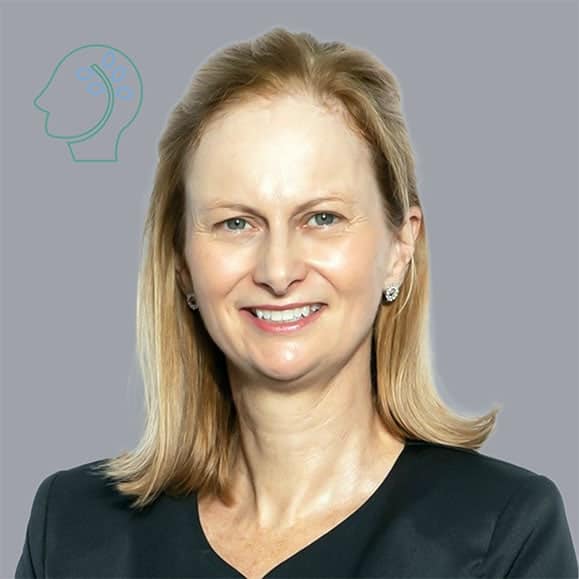 Emotional Freedom TechniquesDr Peta Stapleton is a clinical psychologist and leading researcher renowned for her evidence-based work on Emotional Freedom Techniques (EFT).
 -
 Complex Borderline Personality DisorderDr Daniel Fox is a renowned psychologist who specialises in treatment of personality disorders
 -
 Depression and Bipolar DisorderDr Chris Aiken is a renowned psychiatrist, professor and author who specialises in the treatment of Mood Disorders
 -
 Psychopathy TherapyForensic psychologist Dr Tarra Bates-Duford provides a comprehensive study of psychopathy
 -
CBT TrainingDr. Nina Josefowitz has over thirty years’ experience as a CBT therapist and teacher and is the author of CBT Made Simple.
-
 DBT TrainingDBT Specialist Dr Eboni Webb offers DBT Tools and strategies to address complex clients
 -
 Narcissist TherapyDaniel J. Fox, Ph.D., is a licensed psychologist in Texas, international speaker, and multiple-award winning author. He has been specializing in the treatment and assessment of individuals with personality disorders for over 20 years.
 -
 EMDR TrainingClinical psychologist, international speaker & best-selling author introduces EMDR therapy skills for working with PTSD and trauma.
 -
 Sibling Issues in TherapyProfessor Avidan Milevsky incorporates the latest research and clinical work in family dynamics to examine multiple angles of integrating sibling issues in therapy
 -
 NLP TrainingInternationally acclaimed mind coach, hypnotherapist and bestselling author whose work centres on the principles of neuro linguistic programming (NLP)
 -
 EMDR Training 2Clinical psychologist, international speaker & best-selling author introduces EMDR therapy skills for working with PTSD and trauma.
 -
 Anxiety and Worry TherapyDr Jennifer Abel provides proven therapeutic techniques to help your clients work through the spiral of anxiety and successfully face their fears
 -
 Divided Brain ClinicPsychiatrist Iain McGilchrist describes the real differences between the left and right halves of the human brain. It's not simply "emotion on the right, reason on the left," but something far more complex and interesting.
 -
 Sensorimotor PsychotherapyInternationally-renowned psychotherapist, 40 years’ experience integrating the mind and body, offers relief and a new way of living in our body.
 -
 Hypnosis For Pain Relief TrainingWorld-renowned clinical psychologist and professor with over 30 years' experience using hypnosis for pain control offers a step-by-step guide to using hypnosis to enhance your clinical practice.
 -
 Advanced Trauma Therapy TrainingWorld-renowned trauma clinical psychologist and clinician with over 30 years’ experience helping survivors to accept and love their wounded selves.
 -
 Childhood Sexual AbuseForensic Psychologist Dr Tarra Bates-Duford offers expert therapy approaches for treating survivors of childhood sexual abuse (CSA)
 -
 Anxiety Relief TreatmentClinical psychologist, researcher and expert in behavioural treatment for phobias, provides dynamic treatment and relief from anxiety.
 -
 ACT Therapy TrainingLearn the advantages and benefits of implementing Acceptance Commitment Therapy (ACT) into your clinical practice with Dr John Boorman, UK clinical psychologist and ACT Therapy Specialist.
 -
 Divorcing: Parents & KidsInternationally-acclaimed clinical psychologist, professor at Harvard University, McLean Hospital and clinician with over 30 years’ experience working with high-conflict couples.
 -
 Brain SkoolBrain Skool is a collection of sessions from internationally-renowned specialists investigating the function and processing of their favourite brain regions.
 -
 Depression Relief TherapyDoctor of counselling psychology offers understanding and relief from depression with a variety of skills and a wealth of treatment experience.
 -
Conflict in RelationshipsInternationally-acclaimed clinical psychologist, professor at Harvard University, McLean Hospital and clinician with over 30 years’ experience working with high-conflict couples.
-
 Emotional RegulationClinical psychologist with over 20 years’ experience helping people manage out of control emotions, irrationality, feelings of hopelessness and distress.
Active Relaxation
SESSION 4 OF 33
Duration 9mins 42secs
TAKE THE QUIZ:
Relaxation isn’t just for quiet moments—it can be woven into daily life. In this session, Dr Jennifer Abel introduces Applied (Active) Relaxation, a practical approach that allows individuals to release muscle tension and calm the mind while continuing their normal activities. She demonstrates techniques that integrate relaxation into routine tasks, making stress management accessible and realistic. Participants will learn how to help clients apply these strategies throughout the day, maintaining productivity while reducing anxiety and physical tension. This session provides practitioners with tools to enhance wellbeing and promote sustained relaxation without interrupting the flow of life.
ALL SESSIONS IN THIS MODULE: Anxiety and Worry Therapy
01
Why Worry?
Why do clients worry—and why does it matter? In this session, Dr Jennifer Abel explores the hidden drivers of worry and explains why assessing worry habits is essential for effective practice, offering practical insights to help practitioners respond with clarity and confidence.
02
Chicken or Egg and Nature vs. Nurture?
Is worry something we inherit—or learn? In this session, Dr Jennifer Abel unpacks the science behind worry, clarifying common misconceptions about biology, neurotransmitters, and the powerful patterns that keep the worry spiral going.
03
Nip it in the Bud
Stopping worry before it spirals can change everything. In this session, Dr Jennifer Abel explains why early detection of worry and anxiety matters, and how simple cues can prompt timely coping strategies backed by research.
04
Active Relaxation « you are here
Relaxation doesn’t have to pause your day. In this session, Dr Jennifer Abel explores Applied (Active) Relaxation—practical techniques to integrate calm and tension release seamlessly into everyday activities, helping clients reduce stress while staying engaged and productive.
05
Self-Control Desensitization
Break the anxiety spiral before it gains momentum. In this session, Dr Jennifer Abel explores Self-Control Desensitization, demonstrating how to identify and address anxiety early and repeatedly in-session to reduce its intensity and frequency, empowering clients with practical tools to regain control and calm.
06
Invite it, Don’t Fight It
Fighting anxiety can make it worse. In this session, Dr Jennifer Abel explores the “white bear” research, acceptance strategies, and practical metaphors to help clients embrace their anxious thoughts, reduce struggle, and develop a more compassionate, effective approach to managing anxiety.
07
Awareness Cures, Trying Fails
Stopping thoughts rarely works—but observing and labelling them can. In this session, Dr Jennifer Abel demonstrates how noticing problematic thoughts without judgment, and giving them a label, helps reduce their power and supports more effective anxiety and worry management.
08
Calm Down! Not!
Words matter in relaxation. In this session, Dr Jennifer Abel explores how using process and state words can guide clients toward calm and ease. She demonstrates how carefully chosen language can enhance relaxation, making interventions more effective and helping clients experience deeper physical and emotional release.
09
Gone With the Wind
Sometimes, postponing worry is the best strategy. In this session, Dr Jennifer Abel explores why Scarlette’s choice to “think about it tomorrow” can be powerful, and demonstrates two practical ways to use worry postponement effectively, helping clients regain control and reduce anxiety without avoidance.
010
Let it Flow – Why to Cry!
Processing emotions is key to mental wellbeing. In this session, Dr Jennifer Abel explores research showing that comfortable emotional expression reduces anxiety and depression, and provides practical strategies for helping clients process their emotions effectively, promoting healthier coping and long-term psychological resilience.
011
Emotional Regulation
Healthy emotional regulation starts with acceptance. In this session, Dr Jennifer Abel explores how acknowledging primary emotions prevents the build-up of unhealthy secondary emotions. She demonstrates practical ways to explain this concept to clients, helping them understand and manage their emotional responses more effectively.
012
Looser is Stronger; Tighter is Tiring
Dr Jennifer Abel explores Progressive Relaxation and its proven benefits for muscle relaxation and wellbeing. She introduces quicker alternatives, including sponge imagery, Tin-man to Scarecrow, and differential relaxation techniques, offering practical, time-efficient ways to reduce tension and enhance relaxation without the lengthy commitment of traditional methods.
013
Think Positive! – Maybe Not?
Not all cognitive strategies are equal. In this session, Dr Jennifer Abel explores B3s—simple, practical thought tools that work more effectively than just thinking positive or using complex cognitive therapies that can inadvertently increase anxiety. Learn why B3s are efficient and client-friendly.
014
The Socratic Approach and “Shoulds”
“Shoulding” fuels anxiety and self-criticism. In this session, Dr Jennifer Abel explores why cognitive therapy works best through Socratic dialogue and demonstrates how helping clients replace “shoulds” with clear statements of what they want promotes clarity, empowerment, and more effective emotional regulation.
015
Improving Progressive Relaxation (Part One)
Mastering Progressive Relaxation takes more than routine practice. In this session, Dr Jennifer Abel shares insights from 35 years of experience, offering practical tips and strategies to make Progressive Relaxation more effective, helping clients achieve deeper muscle relaxation, reduce stress, and enhance overall emotional and physical wellbeing.
016
Improving Progressive Relaxation (Part Two)
What comes after the first Progressive Relaxation session? In this session, Dr Jennifer Abel outlines the post-session debrief and explains how subsequent sessions progress—moving from 16 to 7 to 4 muscle groups, then to recall and counting—ensuring clients build mastery, deepen relaxation, and achieve lasting stress relief.
017
Being Mindful of Mindfulness
Mindfulness is widely taught—but it doesn’t always work. In this session, Dr Jennifer Abel explores practical ways to engage clients in mindfulness and shares three strategies to use when traditional mindfulness techniques aren’t effective, helping practitioners tailor approaches for greater impact and client success.
018
Subjugation and Guilt in Worry
Worry can be driven by guilt and putting others first. In this session, Dr Jennifer Abel explores subjugation and caring-driven worry, offering strategies to help clients balance concern for others with self-care, reduce unnecessary anxiety, and regain emotional freedom.
019
Why Worry Management Fails
Why does worry management sometimes fail? In this session, Dr Jennifer Abel explores common pitfalls—including fighting anxiety, delayed intervention, lifestyle factors, medical issues, and certain medications—and offers insights into why these obstacles make worry and anxiety harder to treat, equipping practitioners to approach intervention more effectively.
020
Don’t Worry, Problem Solve
Does worry help us solve problems—or hold us back? In this session, Dr Jennifer Abel examines the research linking worry and problem-solving and introduces four practical, evidence-based approaches to help clients move from rumination to effective action.
021
Worry, Anxiety and Insomnia
When worry and anxiety disrupt sleep, understanding the cause is key. In this session, Dr Jennifer Abel explores the link between worry, anxiety, and insomnia, offering clear insights and practical methods to support calmer nights and more restorative sleep.
022
Helping Superstitious Worrying and Catastrophising
Does worrying really prevent bad outcomes? In this session, Dr Jennifer Abel explores superstitious worrying and catastrophising, debunks common myths, and explains contrast avoidance. Learn practical ways to challenge “expecting the worst” thinking and help clients replace unhelpful worry with more realistic, effective strategies.
023
Muscle Relaxation (Demo)
From muscle tension to mindful ease—this session shows it all. Dr Jennifer Abel demonstrates practical relaxation techniques, including four-group muscle recall, Tin Man to Scarecrow, hard noodle to cooked noodle, sponge imagery, differential relaxation, and the question mark sticky note, providing tools to regulate energy and release tension throughout the day.
024
Mindful Breathing (Demo)
Breathing exercises don’t always work as planned. In this session, Dr Jennifer Abel explores a client’s past struggles with mindful breathing, replacing effort and pressure with observation and gentle experimentation. She demonstrates ways to make mindful breathing more comfortable, effective, and anxiety-reducing for clients.
025
The Anxiety Spiral and Early Cue Detection (Demo)
Timing is everything in worry management. In this demonstration, Dr Jennifer Abel assesses an actress-client’s past strategies, explains why they failed, and illustrates the worry spiral. She highlights the importance of early cue detection and shows practical ways to intervene before anxiety escalates.
026
Acceptance and Inviting Anxiety Instead of Fighting It (Demo)
When anxiety peaks, traditional strategies often fail. In this demonstration, Dr Jennifer Abel works with an actress-client experiencing panic, using mindful observation and acceptance to calm her. She reinforces the experience with metaphors and explores two types of panic, showing how tailored approaches can help even at extreme anxiety levels.
027
Mindful Awareness Through Words and Observation (Demo)
Words can shape emotional states. In this session, Dr Jennifer Abel demonstrates how “calm,” “calming,” and “calm down” affect clients differently. She helps an actress-client identify her preferred word and shows practical ways to use it to reduce stress and manage anxiety effectively.
028
Self-Control Desensitization (Demo)
Learn to weaken the worry spiral with Self-Control Desensitization (SCD). In this demonstration, Dr Jennifer Abel works with an actress-client to assess recent worries, guide relaxation, and systematically reintroduce anxiety-provoking thoughts, showing step-by-step how SCD reduces anxiety and builds resilience through repeated, controlled practice.
029
Better But Believable or B3s (Demo)
When traditional cognitive therapy falls short, B3s can help. In this session, Dr Jennifer Abel works with an actress-client to explore past challenges, demonstrate individual brainstorming of irrational worries, and combine B3s to identify the most effective strategies for reducing anxiety and enhancing practical problem-solving.
030
Social Anxiety Tips (Demo)
Social anxiety can be managed with practical strategies. In this session, Dr Jennifer Abel demonstrates Applied Relaxation, normalizes anxiety, and integrates acceptance techniques. She explains why social anxiety occurs and introduces five actionable strategies—Face the CLONE—to help clients build confidence and engage effectively in social interactions.
031
Worry Postponement (Demo)
Trying not to worry often backfires. In this session, Dr Jennifer Abel uses an orange to demonstrate why suppression fails and explores the “white bear” research. She then shows two practical worry postponement strategies—one for recurring worries and one for future concerns—to help clients manage anxiety more effectively.
032
Don’t Worry Problem Solve (Demo)
Why do we worry—and does it actually help? In this insightful session, Dr Jennifer Abel explores the psychology of worry, gently challenging common beliefs and revealing how worry can undermine problem-solving, even when it’s driven by care, concern, and a desire for control.
033
Brainstorming Problem Solving Ideas and B3s Together (Demo)
Effective problem solving starts with generating possibilities. In this session, Dr Jennifer Abel demonstrates how to brainstorm solutions collaboratively, introducing the B3s framework to expand thinking, reduce worry-driven blocks, and support clearer, more flexible problem-solving in practice.
Join Our Mailing List
BRILLIANT MENTAL HEALTH
ONLINE THERAPIST RESOURCES
wisemind.com offers therapist resources for mental health professionals. An extensive content library of psychology tools, including video lessons, demonstrations presented by world-class experts, therapy worksheets, workbooks, forms, quizzes and training certificates.
US$ 8.25 /month (billed annually)
